

A listed building comes with rules the rest of the street doesn't have. Most work that affects its character, inside as well as out, needs listed building consent on top of planning, and doing it without consent is a criminal offence. That puts a lot of builders off. It puts owners off too, which is why good listed buildings sit tired or empty for years.
Get it right and you own something nobody can copy: a building with its history intact, working as a modern home, or as apartments that let on their character. We've done it many times in Plymouth, from a Barbican townhouse to a 12-bedroom listed villa.
Consent first, then drawings you can build from
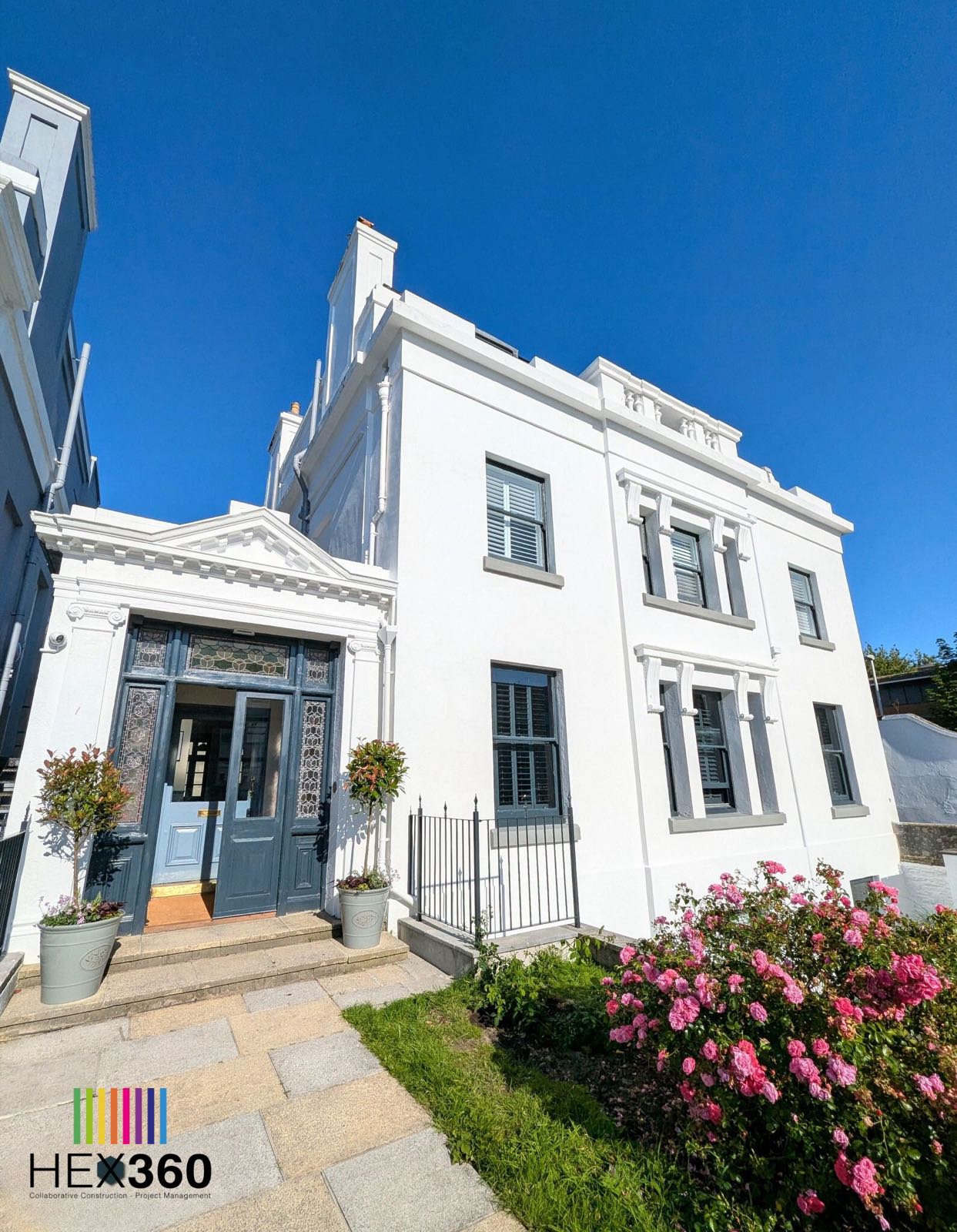
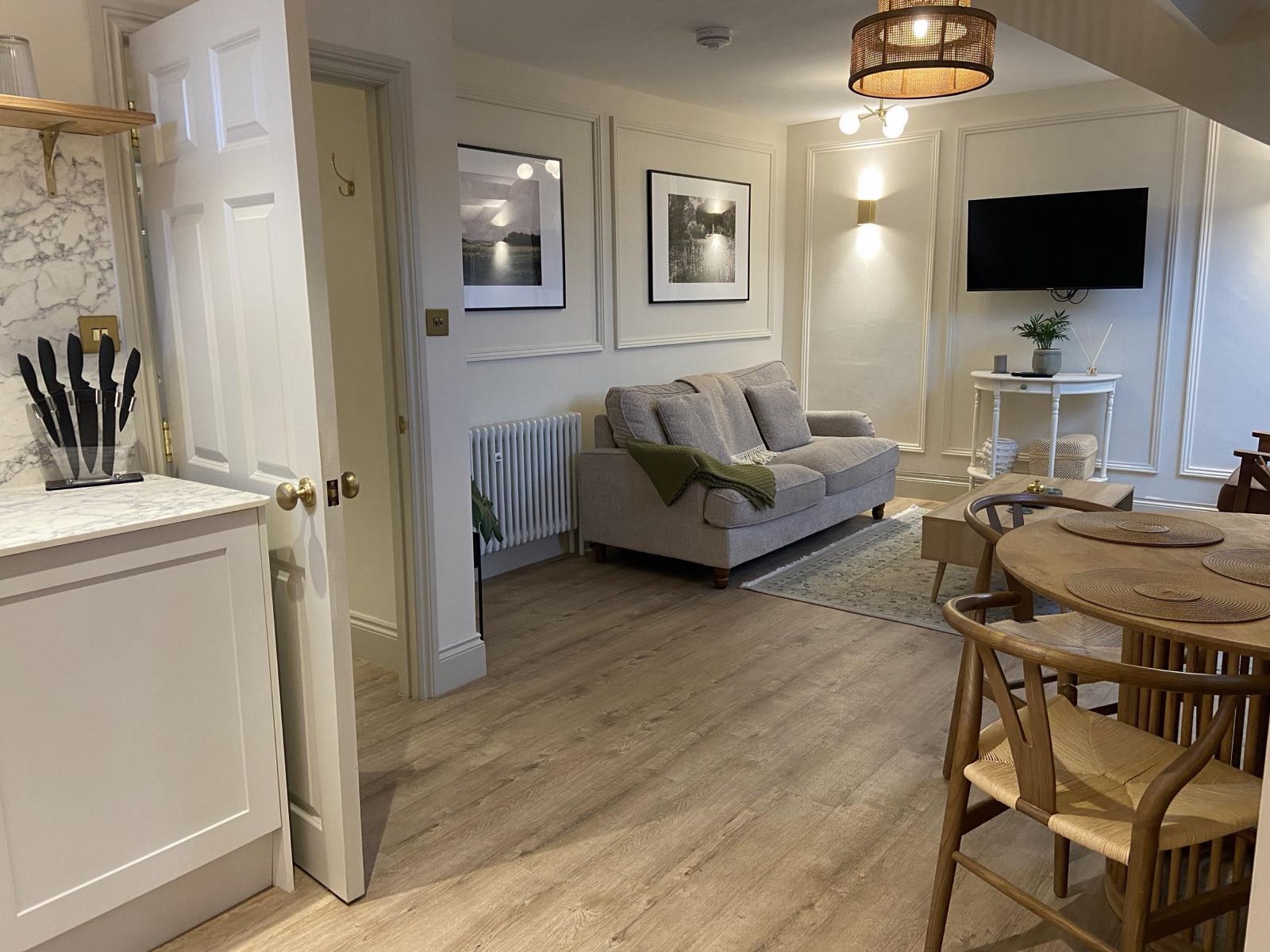
We work with you, your architect and the council's conservation officer from the first sketches, so the application shows exactly what will change and why. At Emma Place we worked with the client and the conservation officers from the start, through every heritage consent, and ended up with five apartments inside a Grade II listed Georgian building.
Repair what's there, match what's gone
Original features are repaired where they can be and matched where they can't. At Windsor Villas the woodwork, sash windows and cornices were restored, the whole roof was replaced in materials matched to the original, and a cantilever extension was added without touching the original structure.
Damp, structure and services
Old buildings throw up the same three problems: damp, tired structure and no route for modern services. Emma Place needed damp proofing, structural reinforcement and services threaded through a building never designed for them. None of it shows, which is the point.
Shopfronts and the Barbican
At 25 Southside Street the shop had stood empty for years under a five-bedroom listed townhouse. Its listed cabinets were restored and are now on show in the Flapjackery store that opened there, with a big, bright kitchen opened up in the attic above.
Projects like yours


How the job runs
- 0Strategic design
We meet you, walk the site and pin down exactly what you want before anything is drawn.
- 2Concept design
You meet the architect and work your ideas into drawings and a planning application.
- 3Developed design
Planning conditions are dealt with. Any extra cost is itemised before you decide.
- 6Handover
Building Control sign-off, guarantee certificates and a walk through the finished building.
“Not only are they good on the timetable, they're very good on the budget, and they've got a good team of all the tradesmen required for a really quite complicated job.”
What a Master Builder means for you
HEX360 is a member of the Federation of Master Builders, the UK's largest trade organisation in the building industry, founded in 1941. Master Builder status goes beyond being checked or rated: a company is vetted before it joins. You can check our membership at any time.
- ✓Vetted on joining: at least 12 months trading, public and employers' liability insurance in place, and credit and director checks passed.
- ✓Bound by the FMB Code of Practice.
- ✓An FMB contract for your project, so we both know where we stand, available on request.
- ✓A warranty on the work through FMB Insurance Services, underwritten at Lloyd's of London, available on request.
- ✓The FMB Dispute Service, which can provide independent dispute resolution should anything go wrong.
Check our membership at fmb.org.uk
Thinking about a project? The FMB's guide to working with your builder (PDF) covers contracts, deposits, budgets, neighbours and what to expect from a Master Builder.
Common questions
What needs listed building consent?
Any work that would affect the building's character as a building of special interest, inside or out. That can include windows, doors, internal walls, fireplaces, staircases and roof coverings. The council decides, with its conservation officer, so we ask early rather than find out late.
Will a listed building cost more to work on?
Usually, yes. Matching materials, specialist trades and the consent process add time and cost. You see it before you decide: our process turns your brief into an estimate for the build and an itemised quote for the design work before anything is committed.
Is Grade II different from Grade I?
Grade I and Grade II* are the rarest. Grade II covers most listed buildings in England, including most listed homes. Consent applies to every grade, and to the inside as well as the outside.
Can a listed building be converted into flats?
Yes, with planning permission and listed building consent. Prynn Court, a Grade II listed stone building in Plymouth, is now four apartments. Emma Place, a Grade II listed Georgian building, is now five.
Who deals with the conservation officer?
We do, alongside your architect. It's easier to agree what's acceptable before the drawings are finished than to argue about it afterwards.
Other work we do: Commercial conversions · Renovations and refurbishments · New builds and extensions
Work with the very best
If you're ready to start the project you've dreamed of making a reality, but stalled because of the construction company stereotype, now is the time to contact HEX360. Hit the button below and send us a message.
Discuss your project